
Key Areas to Watch as AI Redefines the EA Role
As AI becomes part of everyday architecture work, Enterprise Architects need to rethink how they make decisions, interact with models, and maintain compliance. The next 12 months will challenge EAs to blend human judgment with AI-driven speed and precision—transforming how architecture insights are created, shared, and validated across the enterprise.
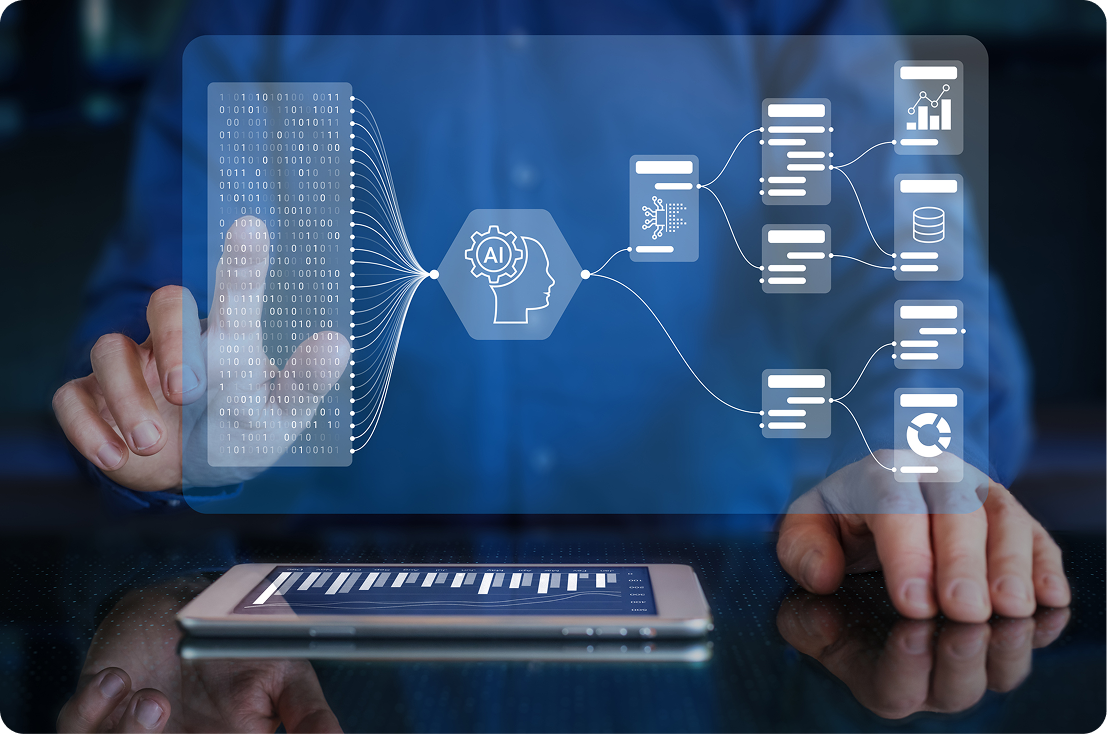
Three Areas Where AI Will Change the EA Role
AI-Enhanced Decision Support
Architects often struggle to provide rapid answers to business leaders asking, “What happens if we migrate this system?” or “How will this change impact costs?” AI will enable predictive impact analysis by simulating scenarios across architecture layers. With solutions like EA Genie for Sparx EA, these insights will be available in seconds.
Impact:
-
Architects will act as interpreters of AI-driven insights rather than
sole analysts. -
Decision-making cycles will shorten dramatically, increasing
business agility. -
EAs will need to validate AI recommendations and ensure alignment
with strategy.
Conversational Architecture Modeling
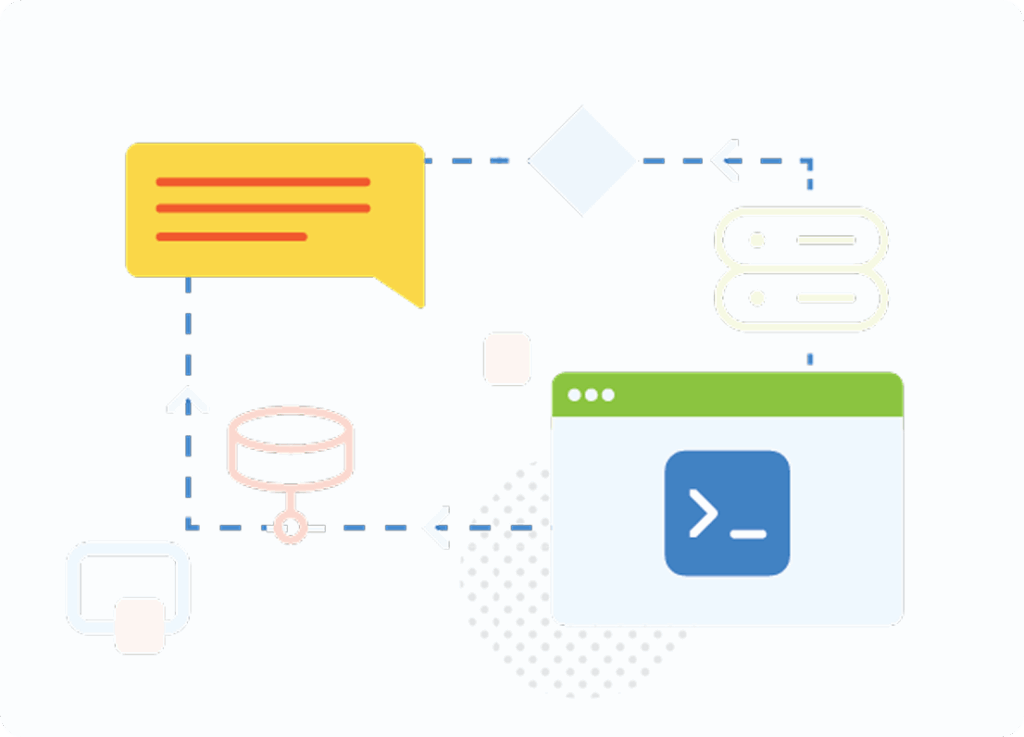
The rise of GenAI-powered assistants means architects will soon interact with architecture models through natural language. Instead of navigating complex diagrams in Sparx EA, they’ll ask:
“Show me all applications impacted by the CRM upgrade.”
AI will retrieve and visualize the answer instantly.
Impact:
- Architects will spend less time on manual diagramming and more on guiding AI queries.
- Stakeholder engagement will improve as non-technical users can access architecture insights conversationally.
- Documentation will become dynamic, updated automatically by AI agents.
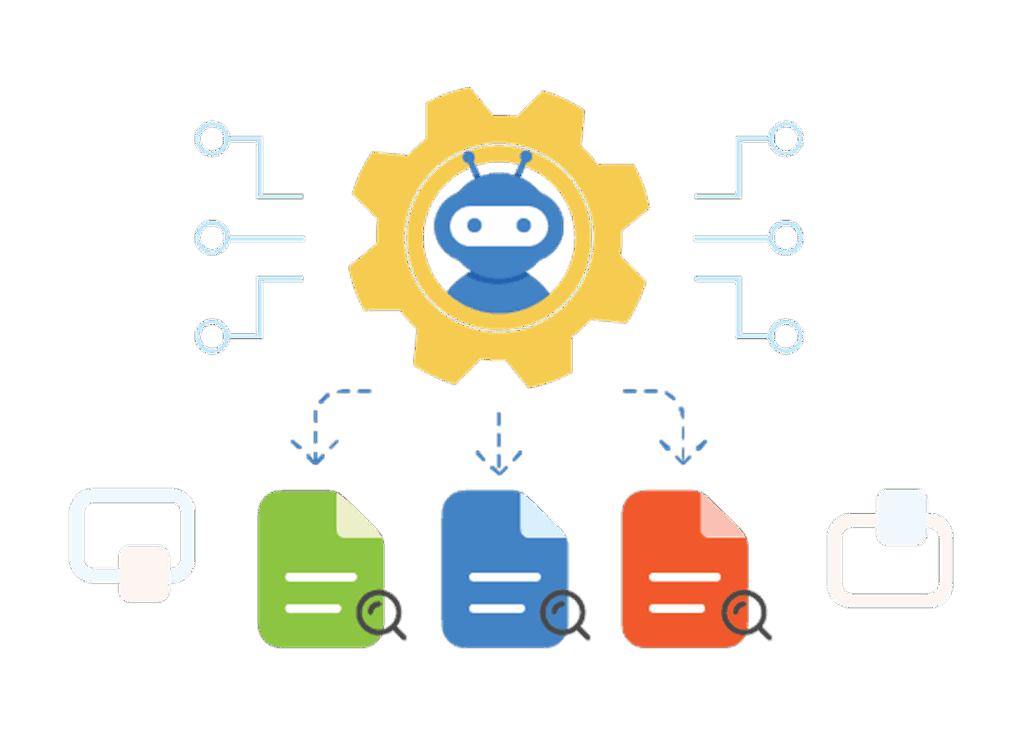
Automated Architecture Analysis and Compliance
Today, architects spend countless hours validating models against standards and compliance frameworks. Over the next year, AI-powered tools integrated into platforms like Sparx EA will automate these checks. Imagine an AI assistant embedded in your architecture environment that continuously scans models for compliance with TOGAF, GDPR, or internal governance rules.
Impact:
-
Architects will shift from manual validation to supervising AI-driven
audits. -
Compliance reporting will become near-instant, freeing time
for
strategic planning. -
Risk management will improve as AI flags potential issues before
they escalate.